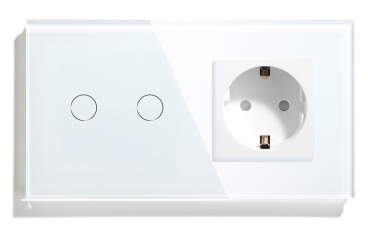
Selecting the right touch switches requires a clear understanding of their electrical performance, durability, and integration capabilities. This article outlines the key technical parameters, typical application scenarios, and practical selection tips to help procurement managers and engineers make informed decisions before sourcing.
When evaluating touch switches, several specifications directly impact performance and reliability:
This wide voltage range ensures compatibility across different regions and electrical systems. For international projects or export-oriented procurement, confirming voltage adaptability reduces the risk of mismatch and simplifies inventory management.
Current rating determines the load capacity of the switch. For standard lighting circuits, 10A may be sufficient, but higher loads such as combined lighting groups or certain appliances may require 20A or 40A. Selecting the correct rating prevents overheating and extends product lifespan.
This parameter reflects how many times the switch can be operated reliably. In high-frequency environments such as commercial buildings, a higher mechanical life reduces maintenance frequency and long-term replacement costs.
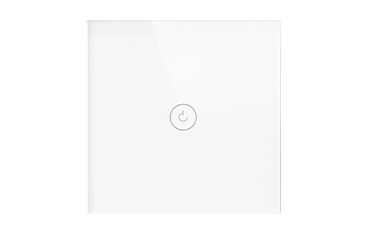
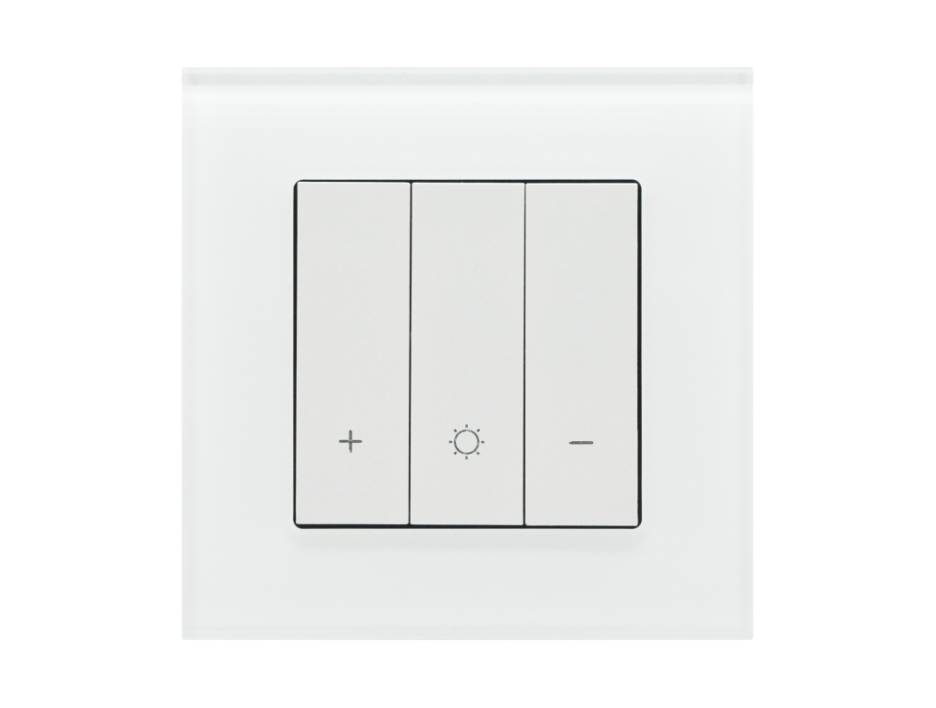
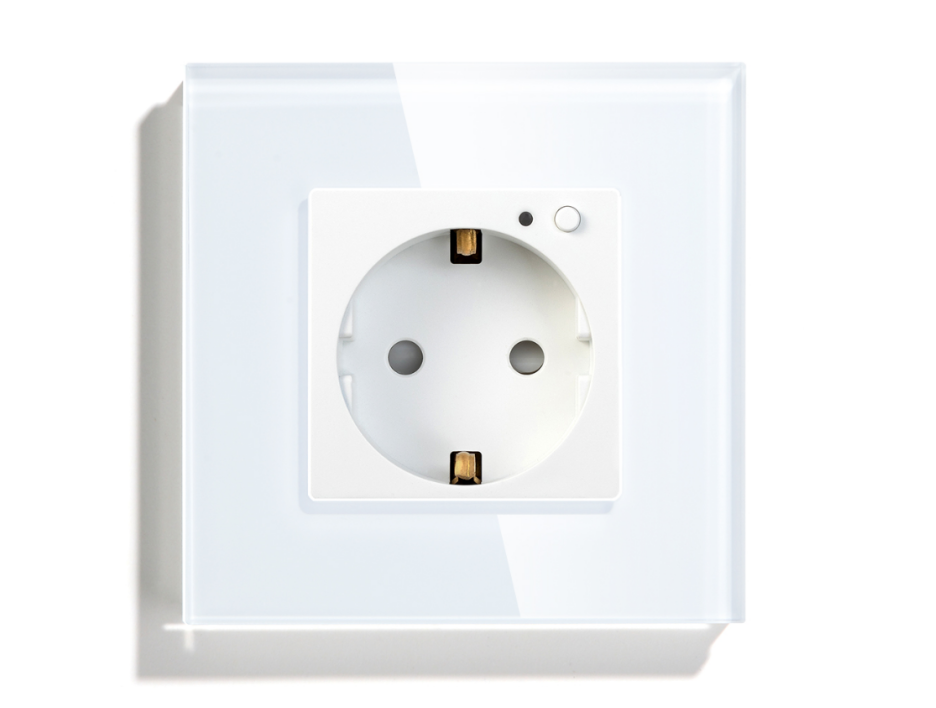
The use of tempered glass panels improves durability, scratch resistance, and ease of cleaning. For projects where aesthetics and long-term appearance matter—such as hotels or residential developments—material choice directly affects perceived quality.
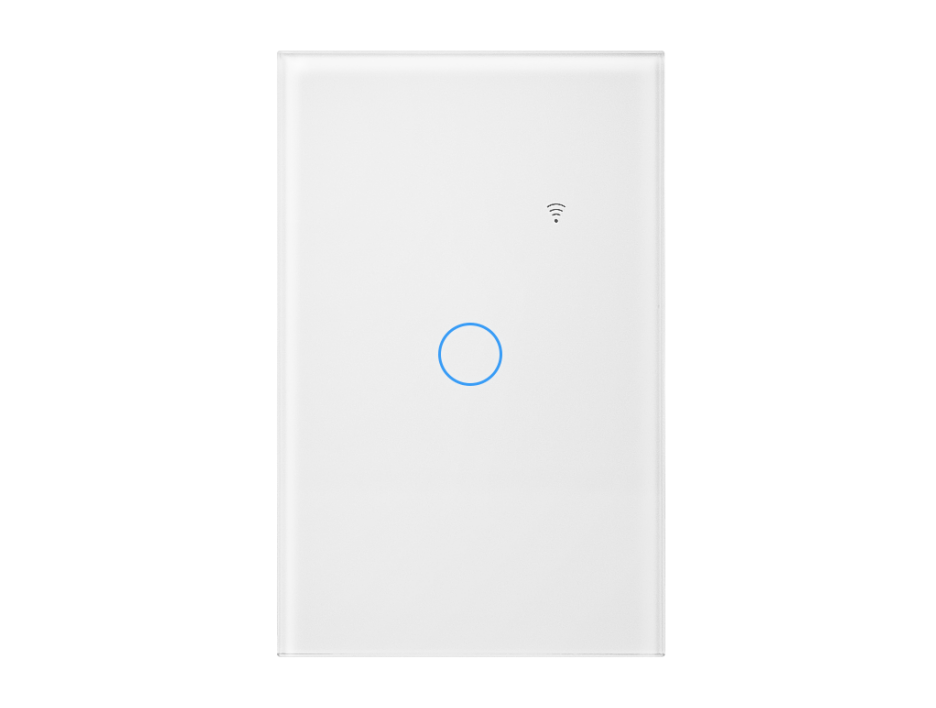
For smart touch switches, connectivity determines how the device integrates into automation systems. WiFi offers direct control via apps, while Zigbee is often preferred for large-scale or stable mesh networks. Choosing the right protocol depends on system architecture and scalability requirements.
In modern housing projects, touch switches are often used to replace traditional mechanical switches. Their smooth surface and responsive control improve user experience, while smart connectivity enables app and voice control. This enhances convenience and allows homeowners to manage energy usage more effectively through scheduling and automation.
Offices, meeting rooms, and public spaces benefit from touch switches due to their durability and clean design. Frequent usage in these environments demands reliable operation, and the long mechanical life helps reduce maintenance interruptions. Additionally, integration with centralized control systems can improve energy efficiency by automating lighting based on occupancy or time.
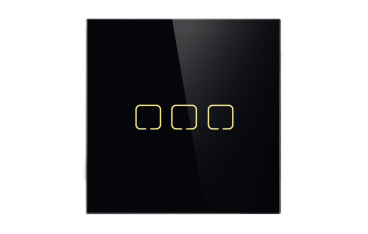
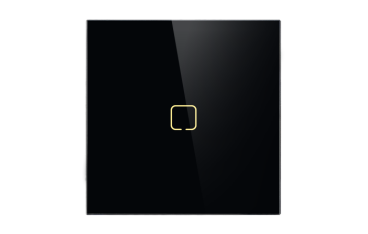
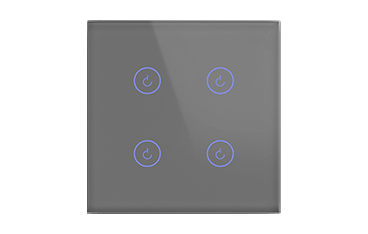
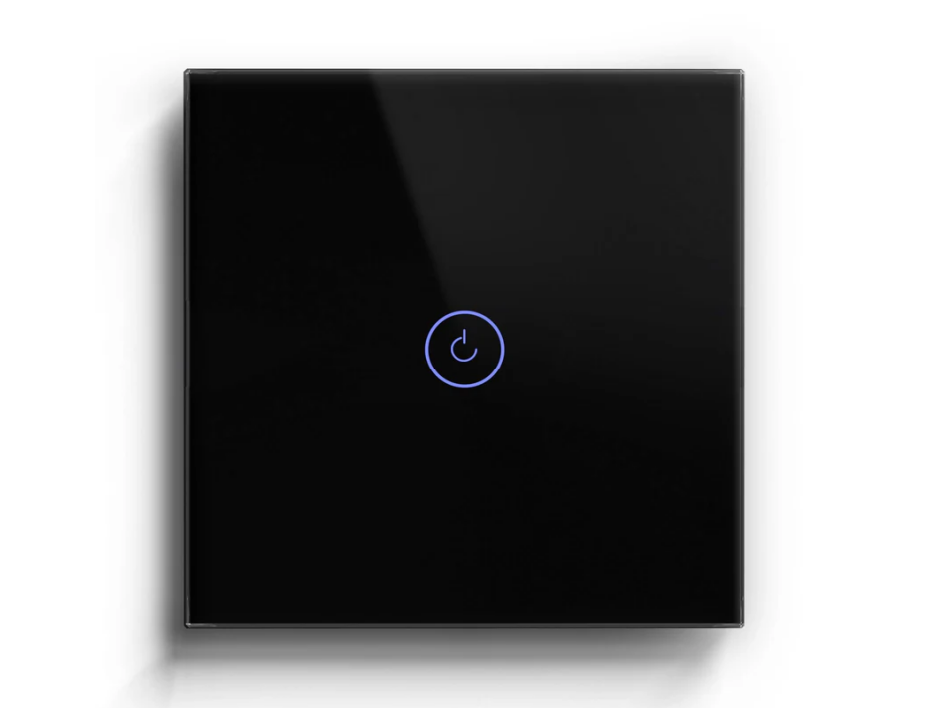
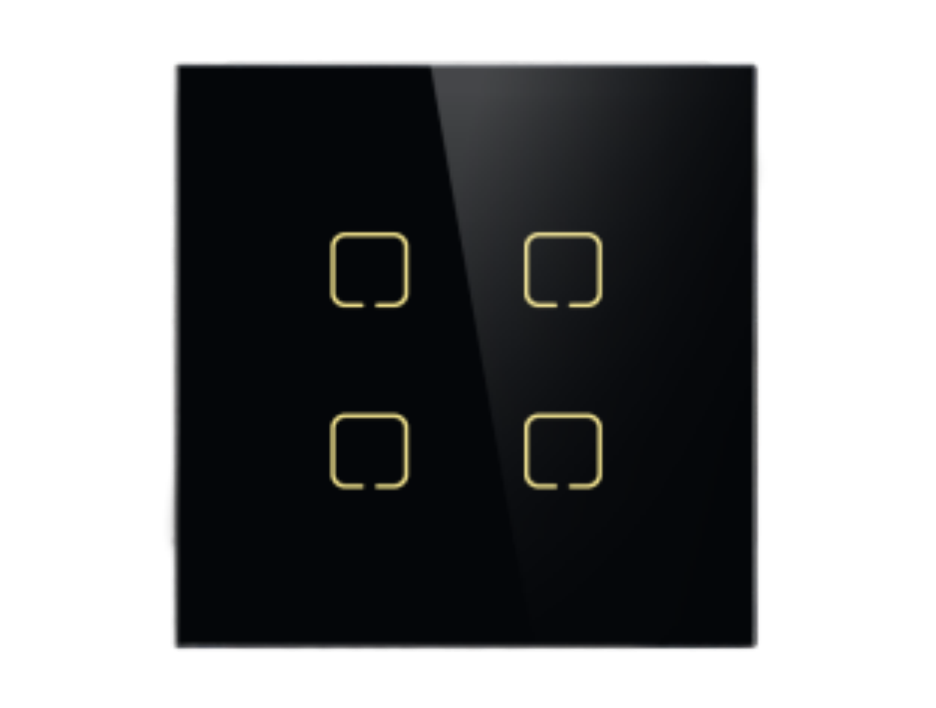
Hotels, apartments, and high-end developments often prioritize both aesthetics and functionality. Touch switches with glass panels provide a consistent and modern appearance across rooms. Combined with multi-gang options (1–4 gang), they allow flexible control of multiple lighting zones, improving both user experience and project value.
When choosing touch switches, it is practical to focus on two aspects:
If your project includes multiple lighting circuits or higher-power devices, prioritize switches with higher current ratings. Underrated switches may function initially but can lead to long-term reliability issues.
For smart projects, decide early whether your system will rely on WiFi or Zigbee. Retrofitting or mixing protocols later can increase complexity and cost. For large-scale installations, Zigbee is often more stable, while WiFi may be sufficient for smaller or standalone setups.
Understanding the technical parameters and real-world applications of touch switches helps reduce sourcing risks and improves project outcomes. If you need detailed specifications, customization options, or project-based recommendations, you can reach out to discuss your requirements and evaluate suitable solutions.

 Phone: +86 13736338025
 Email: mvava@mvava.com
 Address: NO.529 Binhai Road, Economic and Technological Development Area, Wenzhou, Zhejiang, China








 Home
Home